
How wind, rain, and extreme weather affects scaffolding safety
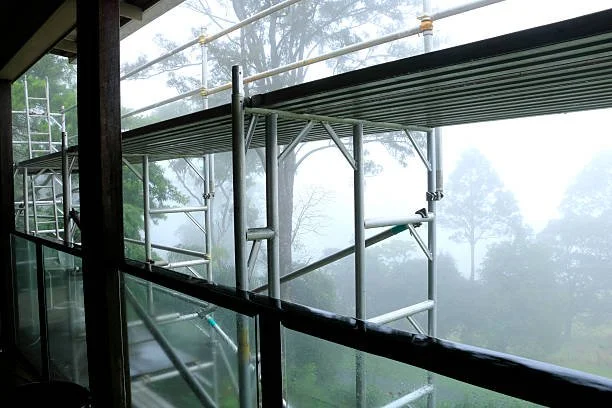
One of the most significant factors influencing scaffolding safety is something no scaffolder, builder, or engineer can fully control: the weather.
From the wind-battered coastlines to exposed construction sites across the region, scaffolding in Auckland faces a unique set of unpredictable environmental challenges. Understanding how wind, rain, and other weather conditions affect your scaffold, and knowing how to respond, is critical to keeping workers, the public, and your project safe.
Why weather is a serious scaffolding risk
New Zealand's Health and Safety at Work Act 2015 places a clear duty on scaffolding contractors and site managers to identify and manage hazards, including those posed by the environment. Weather is not just an inconvenience, it's a genuine risk factor that must be assessed before, during, and after any scaffolding installation.
At Metroscaff, we've been providing scaffolding in the Auckland region for 20+ years, and weather management is something we take seriously on every project we undertake.
Wind: The biggest threat to scaffolding stability
Understanding wind loads
Wind is widely recognised as the primary weather-related risk for scaffolding. When wind strikes a scaffold structure, it exerts what engineers call a "wind load", a lateral force that pushes against the structure and everything attached to it. The greater the surface area (for example, when sheeting, using shrink wrap, or when netting is attached), the higher the wind load.
Even a moderate breeze can create significant force across a fully sheeted scaffold. At wind speeds above 50 km/h, work on exposed scaffolding should be suspended, and at higher speeds, the structural integrity of the scaffold itself may be at risk without adequate bracing and ties.
High-wind events in Auckland
Auckland's geography makes it particularly susceptible to gusty conditions. Coastal sites are frequently exposed to strong onshore winds, and elevated construction sites can be far windier at height than conditions on the ground suggest.
When sourcing scaffolding, Auckland contractors need to ensure their supplier accounts for local wind zone classifications. Metroscaff designs and installs all structures with site-specific wind conditions in mind.
What to look for
Key wind-related risks include:
Inadequate ties and anchors: If a scaffold is not properly secured to the building or structure it serves, wind can cause lateral movement or collapse.
Shrinkwrap and netting: Netting and shrinkwrap dramatically increase wind resistance. These must only be installed on scaffolds specifically designed and rated to handle the additional load.
Unsecured materials: Tools, planks, and materials left on a scaffold platform in windy conditions become dangerous projectiles. All equipment must be secured or removed when wind events are forecast.
Working at height in wind: Workers on open scaffold platforms face personal stability risks in gusty conditions. Site managers should have clear wind speed thresholds at which work is suspended.
Rain: Slip hazards, structural weakening, and visibility
Slippery platforms
Rain is another constant element Auckland teams work with throughout the year. Wet scaffold boards become slippery very quickly, significantly increasing the risk of falls. Anti-slip boards, regular inspections of decking surfaces, and strict PPE requirements are essential on any scaffold exposed to rain.
At Metroscaff, we use timber and steel decking that meets New Zealand standards and provide anti-slip surfaces suitable for wet weather conditions.
Corrosion and structural integrity
Over time, ongoing exposure to rain accelerates the corrosion of scaffold fittings, couplers, and steel tubes. This is why regular inspection and maintenance of scaffold equipment is non-negotiable. Metroscaff maintains and inspects all of our equipment to ensure it remains within safe working tolerances, protecting both our workers and our clients' projects.
Visibility and working conditions
Heavy rain reduces visibility and can make it difficult for workers to communicate and coordinate safely. These rain events should prompt a suspension of work at height, and site managers must ensure that all decisions to continue or halt work are made based on actual conditions rather than schedule pressure.
Inspections before and after extreme weather
One of the most important habits any site manager or scaffolding contractor can develop is conducting thorough scaffold inspections before work commences each day, and specifically following any significant weather event.
A post-storm inspection should check:
All ties and anchors: Ensuring none have pulled away from the building or been loosened by movement
Base plates and sole boards: Confirming they remain level and stable, particularly on soft ground that may have shifted after rain
All standards (vertical tubes): Looking for any signs of buckling, displacement, or damage
Platforms and decking: Checking for damage, warping, or loosening following wind and rain
Bracing: Verifying all diagonal bracing is in place and secure
Shrink wrap and netting: Ensuring these remain properly attached and have not been torn or displaced
If there is any doubt about the structural integrity of scaffolding following a weather event, work must not recommence until a qualified scaffolder has assessed and signed off on the structure.
Metroscaff's approach to weather-safe scaffolding
Weather risk management begins at the design and planning stage. When Metroscaff takes on a project, we assess the site's exposure, the likely wind zone, and the specific risks associated with the location and season.
Our experienced team has provided scaffolding services that builders, painters, and maintenance companies can rely on across residential, commercial, and industrial sectors, always with a focus on compliance, safety, and durability. We stay up to date with WorkSafe New Zealand guidelines and AS/NZS standards so our clients can have confidence in every scaffold we erect.
Whatever project you're planning in Auckland that requires scaffolding, the Metroscaff team is here to help you manage the full scope of the risks involved, including the risks that come from above.
Talk to us about your project
If you're planning a project that requires scaffolding in Auckland, get in touch with the Metroscaff team. We can help you design scaffolding that is appropriate for your site's conditions and ensure your team has the protocols in place to work safely.