
Working at height: Your legal obligations as a homeowner or contractor
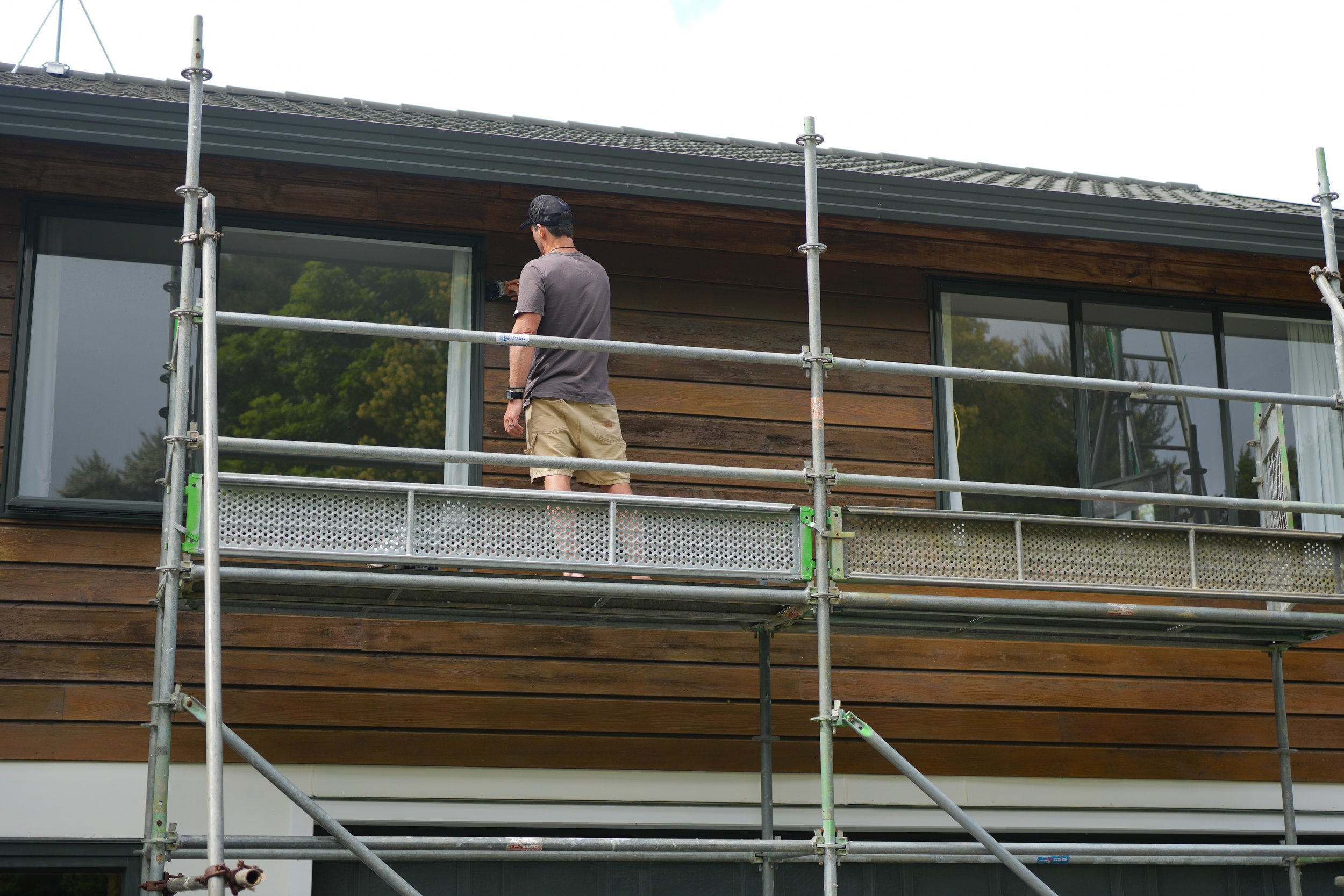
Working at height is one of the leading causes of serious injury and fatality in New Zealand's construction and building sectors. It's also one of the most regulated areas of workplace safety, and one where homeowners, as well as contractors, can find themselves with legal obligations they didn't know they had.
Whether you're a builder, a tradesperson, or a homeowner, this article explains what the law expects of you.
The foundation: Health and Safety at Work Act 2015
The Health and Safety at Work Act 2015 (HSWA) is the cornerstone of New Zealand's workplace safety framework. It applies to any person conducting a business or undertaking (known as a PCBU) and imposes a primary duty of care to ensure, so far as is reasonably practicable, that workers and others are not put at risk.
Crucially, the HSWA applies not just to employers, but to any entity that has the ability to influence or control how work is carried out. This includes homeowners in certain circumstances.
What does "reasonably practicable" mean?
This phrase is central to the HSWA. It means you don't have to eliminate every conceivable risk, but you do have to take the steps that a reasonable person in your position would take, having regard to the likelihood of the hazard causing harm, the degree of harm that could result, and the cost and effort required to reduce or eliminate the risk.
For work at height, WorkSafe NZ's position is clear: fall prevention is almost always reasonably practicable, and falls from scaffolding, roofs, or elevated platforms are entirely preventable with the right controls in place.
Obligations for contractors and tradespeople
If you're a tradesperson or contractor working at height, your obligations include:
Identifying and assessing all height-related risks before starting work
Using appropriate fall prevention measures, scaffolding, edge protection, or other controls, where falls could occur
Ensuring that any equipment used (scaffolding, ladders, harnesses) is fit for purpose and compliant with relevant standards
Not undertaking work at height if conditions are unsafe (e.g. in high winds or on a wet, slippery surface)
Cooperating with the site's safety requirements and not modifying or misusing fall prevention equipment
Obligations for homeowners
Here's the part many homeowners don't realise: under the HSWA, if you engage a contractor to carry out work on your property, you can be considered a PCBU, specifically, a person who manages or controls a workplace. This means you have real health and safety obligations, even as a private individual.
As a homeowner PCBU, you are expected to:
Ensure, so far as is reasonably practicable, that the workplace (your property) does not put contractors at risk
Cooperate with your contractor's safety requirements, for example, ensuring access routes are clear and hazards are disclosed
Not direct contractors to perform work in a manner that increases their risk, for example, pushing for work to be done without scaffolding to save money
The extent of a homeowner's obligations is proportional to the degree of control they exercise over the work. However, the case law and WorkSafe enforcement record make clear that homeowners who knowingly allow unsafe practices on their property can face consequences.
What happens when something goes wrong?
If a worker is injured on your site as a result of a fall, WorkSafe can investigate whether the applicable duties of care were met. Depending on the circumstances, both the contractor and the homeowner may be subject to investigation.
ACC covers medical costs and some income replacement for injured workers, but this doesn't remove the legal obligations or potential enforcement action under the HSWA.
The practical upshot
The safest approach, practically and legally, is to ensure that any work at height on your property is done with proper fall prevention in place. For most exterior residential work above one storey, that means scaffolding. For higher buildings, scaffolding with safety netting is also a consideration.
It also means engaging a reputable scaffolding company that erects structures compliant with AS/NZS 4576 and WorkSafe guidelines, and keeping documentation of the scaffold handover.
Metroscaff can help you meet your obligations with certified, compliant scaffolding for residential and commercial projects across greater Auckland. Call 021 774 653 or email admin@metroscaff.co.nz