
What does a scaffolder actually do?
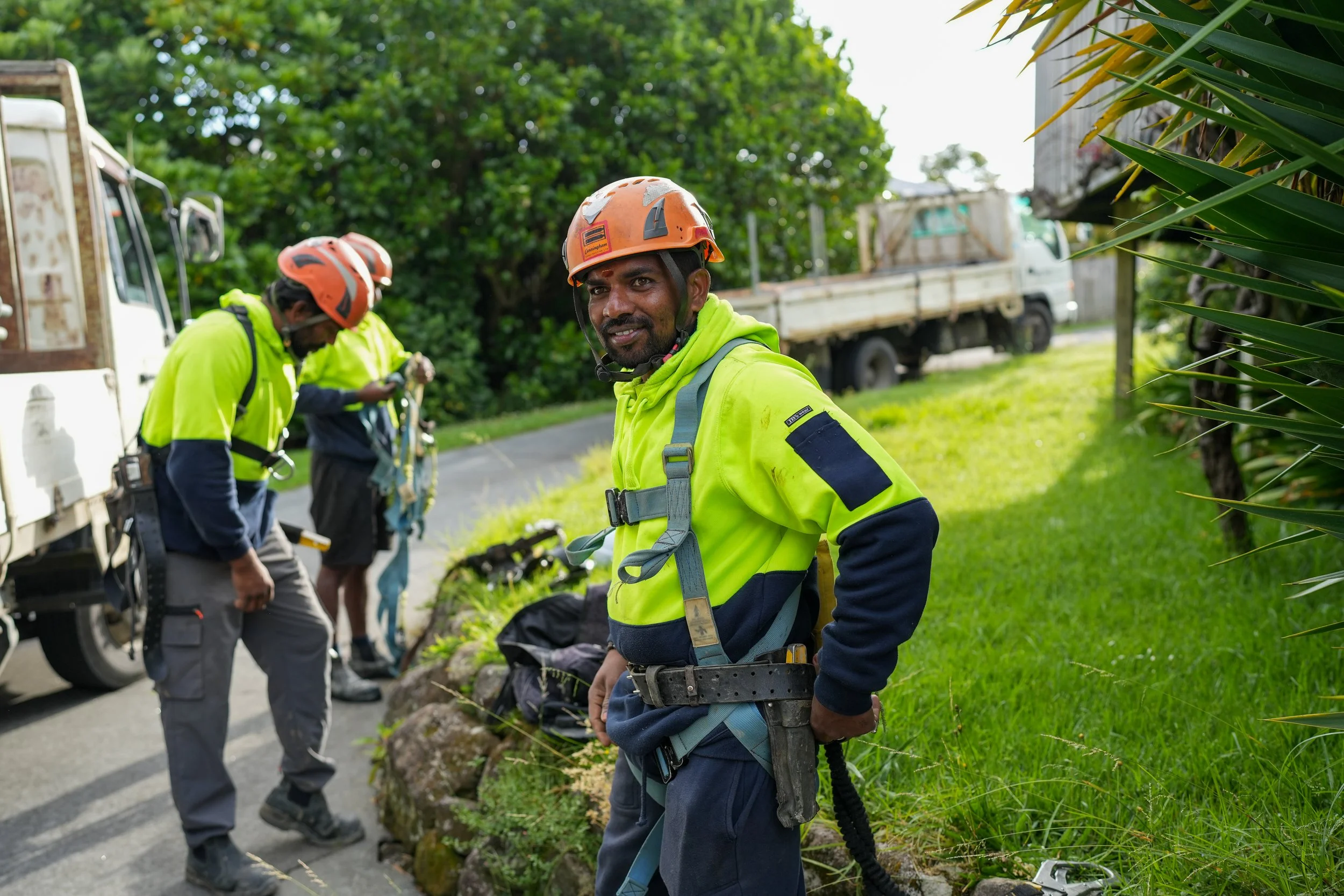
When most people think about scaffolding, they picture the finished product, the metal structure outside a house or building site. What they don't see is the expertise, training, and precision that goes into putting it up safely. Scaffolding is a skilled trade, and certified scaffolders are a critical part of New Zealand's construction industry.
Here's a behind-the-scenes look at what our team at Metroscaff actually does, and what it takes to be a certified scaffolder in New Zealand.
What Is a certified scaffolder?
In New Zealand, scaffolding certification is managed by Scaffold Industry New Zealand (SANZ) and aligned with the New Zealand Qualifications Authority (NZQA) framework. There are different levels of certification depending on the type and height of scaffolding involved:
Scaffolding Certificate of Competence — required for erecting scaffolding above five metres in height. This is the primary professional certification for scaffolders in NZ.
Trade Certificates and Training Qualifications — scaffolders work through a structured training programme, typically as apprentices under certified scaffolders, before qualifying in their own right.
Certification isn't a one-time event, it involves ongoing professional development and periodic renewal to ensure scaffolders stay current with standards, equipment, and best practice.
A day in the life of a Metroscaff team member
No two days are the same in scaffolding, but here's what a typical day might look like for our team:
Early start
Most scaffold crews start early, the Metroscaff team often start before 7am. The day begins with a site safety briefing within the crews, checking the day's work schedule, and loading the truck with the components needed for the day's jobs.
On-Site assessment
When arriving at a new site, the scaffolding team’s Leading Hand will carry out a site assessment before any work begins, checking ground conditions, identifying hazards, confirming access, and reviewing the planned scaffold configuration against the actual site conditions.
Erection
The erection process is methodical and precise. Standards (vertical tubes) go in first, set on base plates with sole boards on soft or uneven ground. Ledgers (horizontal tubes) are then attached at the correct heights to form bays. Diagonal bracing is added for stability. Boards are laid on transom tubes to form the working platforms. Guardrails and boards are fitted. Ties are installed to connect the structure to the building. Finally, a complete check is done before handover.
Every connection matters. Every board and tie is checked. There's no cutting corners in scaffolding, the consequences of getting it wrong are too serious.
Handover and documentation
Once a scaffold is erected, the lead scaffolder walks through it with the client or site manager, confirms everything is safe and fit for purpose, and provides any required documentation via email. This professional handover is a key part of what distinguishes a certified scaffolding company from an unqualified operator.
Alterations and maintenance calls
Throughout the day, our team may also handle alteration work on existing scaffolds, adjusting platform heights, extending sections as a build progresses, or responding to damage or issues reported on active sites.
The values behind the work
At Metroscaff, we're a family-owned business and we take genuine pride in our work. Safety isn't a box we tick, it's something we're personally invested in, because the people using our scaffolding are often people we know from the community.
Our team is made up of individuals who've chosen scaffolding as a career and take it seriously. Scaffolding is physically demanding work that requires both technical knowledge and genuine care for the safety of others. We think that's worth recognising.
If you're looking for a certified, experienced scaffolding team for your next project, get in touch with Metroscaff on 021 774 653 or email admin@metroscaff.co.nz