

What happens when scaffolding goes up? A step by step guide
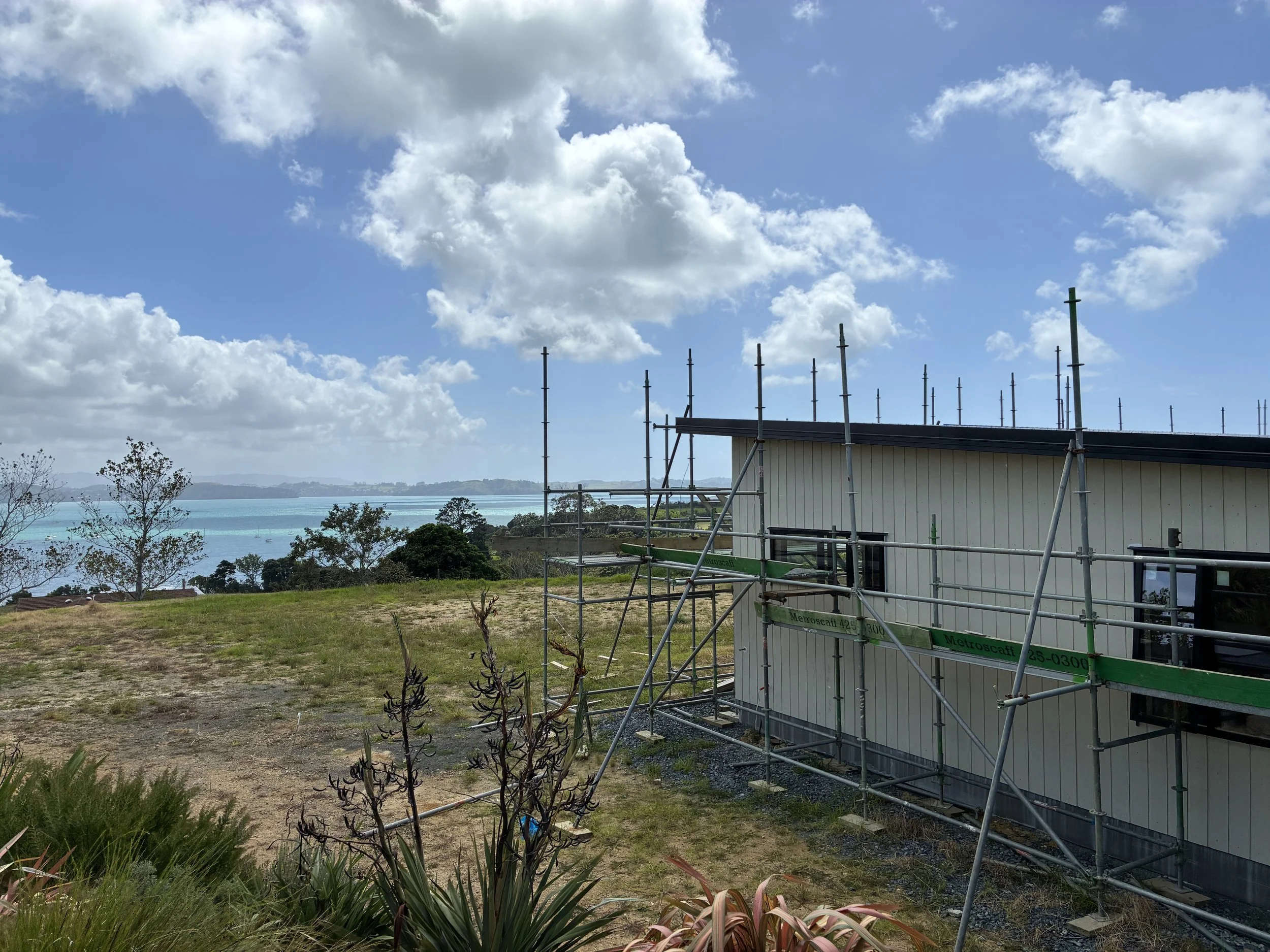
For most homeowners, scaffolding is something that appears outside your house one morning and disappears again a few weeks later. What happens in before, during, and after the process is often a bit of a mystery. If you've never had scaffolding erected on a property before, you might be wondering what the process actually looks like.
Here's a clear walkthrough of what happens from the moment you contact a scaffolding company to the moment the structure comes down.
Step 1: Quote and site assessment
The process starts with a quote. For most straightforward residential jobs, our team at Metroscaff can provide an accurate quote based on the details you share with us, google maps, and online plans if it’s a new build. Factors we take into account at are the size and height of the structure, the type of work being done, how long you'll need the scaffold in place, and terrain.
For larger or more complex projects, we'll carry out a site visit to assess the property, check access conditions, and make sure we're designing the right scaffold configuration for the job.
Step 2: Planning the scaffold design
Scaffolding isn't just a matter of stacking metal poles together. A qualified team member designs the structure based on the specific requirements of your project, including the load it needs to carry, the height and span required, how it will be anchored, and how it integrates with the building's existing structure.
For residential jobs this design process is usually straightforward. For commercial or complex projects, more detailed planning may be involved.
Step 3: Delivery and setup day
On the day of erection, our truck will arrive with all the scaffolding components. You'll need to make sure there's clear vehicle access to your property, ideally a space where we can unload and stage the materials close to where the scaffold will go.
Our team of certified scaffolders will then begin assembly. A typical residential scaffold can be erected in a few hours. Larger residential builds and commercial projects can take a few days. It all depends!
During this phase you can expect:
• Our team working methodically around the perimeter of the building
• Steel tubes (standards, ledgers etc.) being assembled into bays
• Scaffold kick boards being laid to create safe working platforms
• Guard rails and other safety features being installed
• The structure being tied or anchored to the building for stability
• Each day, our scaffolders complete an End of Day report which is all electronic, keeping you in the loop with progress.
Step 4: Handover and inspection
Once the scaffold is up, our lead scaffolder will walk through it with you or your site manager to confirm that everything is in place and safe to use. This is your opportunity to ask questions, identify any areas where access needs to be adjusted, and understand how the scaffold should, and shouldn't, be used.
We can provide documentation confirming the scaffold has been erected to New Zealand standards, which many insurance policies and building contracts require. What makes us stand apart is that this process is completely electronic. As soon as the job is complete, you’ll receive an email with the handover certificate.
Step 5: The hire period
While the scaffold is up, your tradespeople do their work. If project timelines change, we can extend the hire period, just let us know as early as possible so we can plan accordingly.
If you notice anything that doesn't look right during the hire period, a section that's been disturbed or an alteration that needs to be done, give us a call. Never attempt to modify scaffolding yourself.
Step 6: Dismantle and removal
When the project is complete, we return to take the scaffold down. Dismantle usually takes a similar amount of time to erection, a few hours for a standard residential job. We remove all components and leave your property clean and tidy.
How long does the whole process take?
For a standard single-storey or two-storey residential job, erection and dismantle each typically can take half a day to 2 days. The hire period in between depends entirely on your project. Many residential repaints, for example, run for two to four weeks.
At Metroscaff, we work hard to be responsive to your schedule, including working around your builder's or painter's programme to make sure the scaffold is ready when they are.
Have more questions about the process? Our team is always happy to talk through what to expect. Call us on 021 774 653 or email admin@metroscaff.co.nz